CAD & Generative Design AI Tools
Modern mechanical engineering workflows are evolving beyond manual 3D modeling. AI-powered CAD and generative design platforms enable engineers to explore thousands of design variations, optimize weight-to-strength ratios, and accelerate product development cycles. These tools help teams reduce iteration time, improve manufacturability, and make data-driven design decisions early in the process.
Autodesk Fusion 360 (Generative Design)
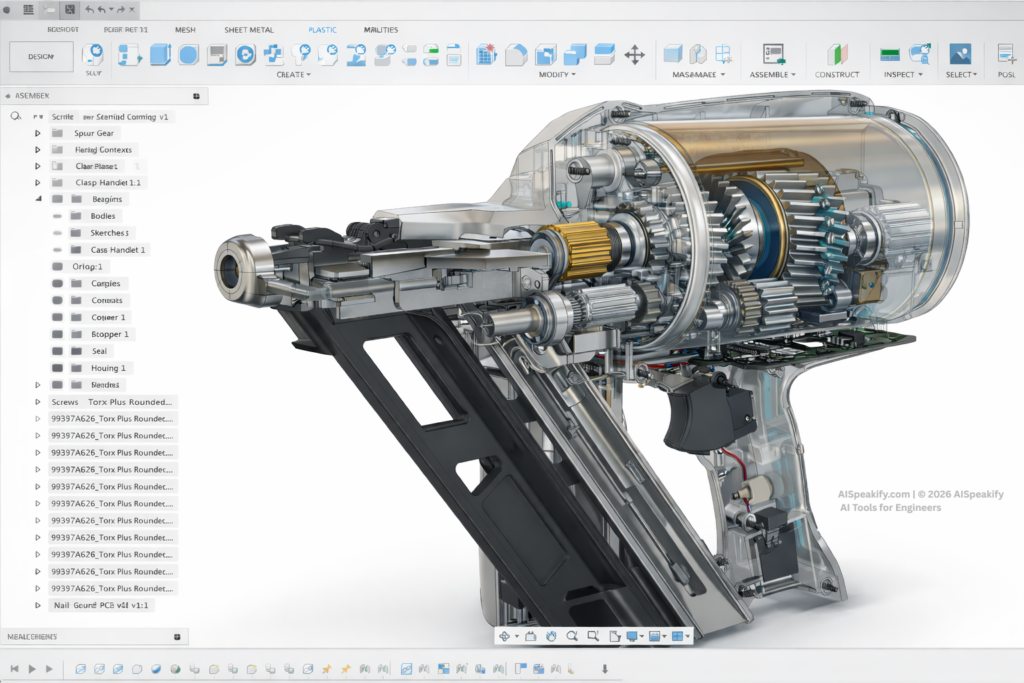
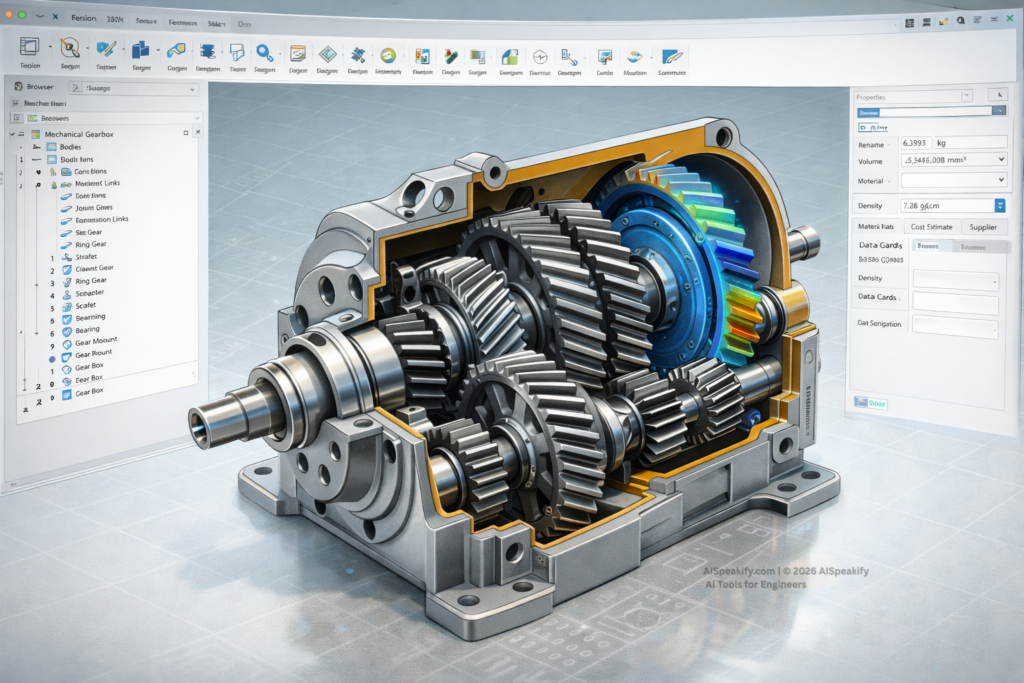
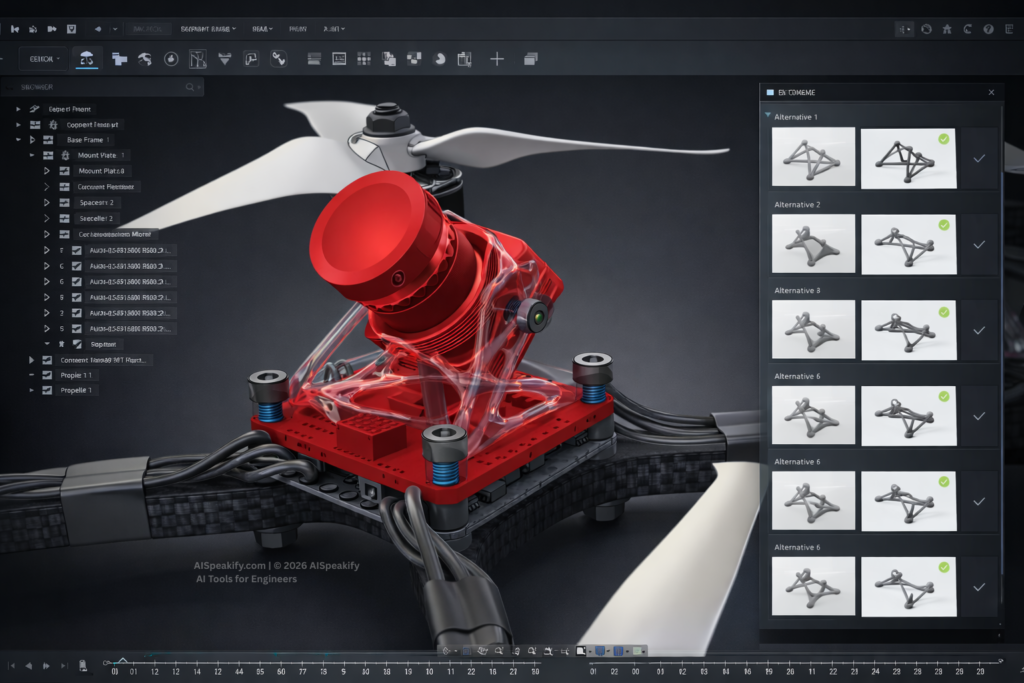
Autodesk Fusion 360 integrates AI-driven generative design capabilities that enable engineers to define constraints, materials, and performance requirements while the system automatically generates optimized design alternatives. Ideal for mechanical engineers seeking lightweight structures, topology optimization, and rapid concept validation.
- AI-driven generative design with constraint-based optimization
- Integrated CAD, CAM, and simulation workflows
- Cloud collaboration and version control
- Manufacturing-aware geometry optimization
- Topology optimization for weight reduction
Best For: Mechanical product design & generative optimization
Pricing: Free trial available
Platform: Cloud-based (Windows & Mac)
Deployment: Cloud SaaS
Integration: Unified CAD/CAM/CAE workflow
Siemens NX (Enterprise Generative & Simulation-Driven Design)
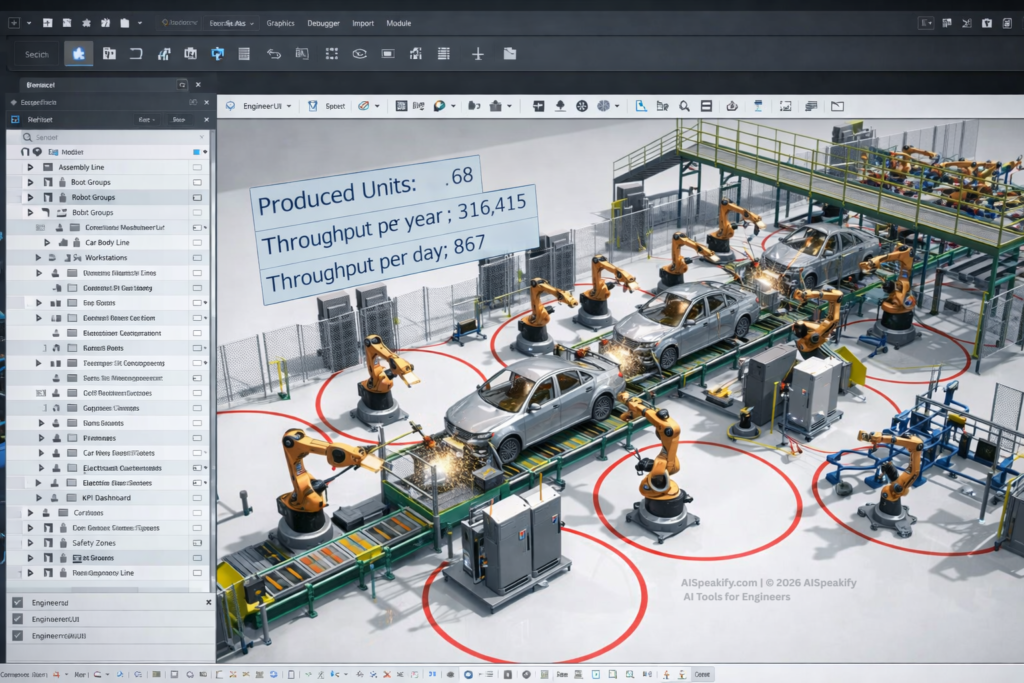
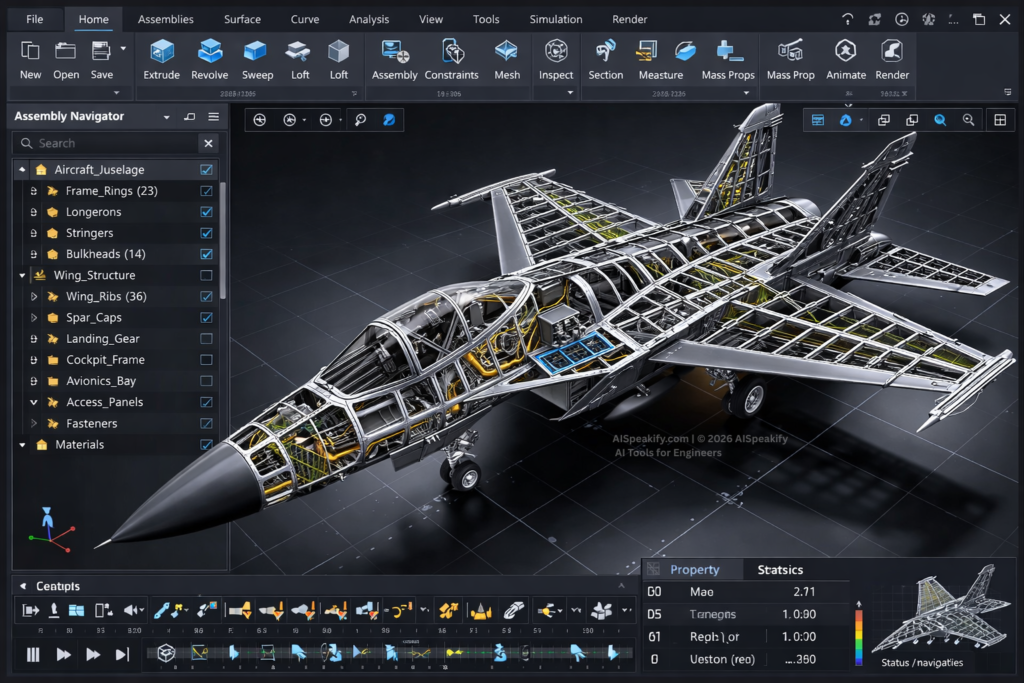
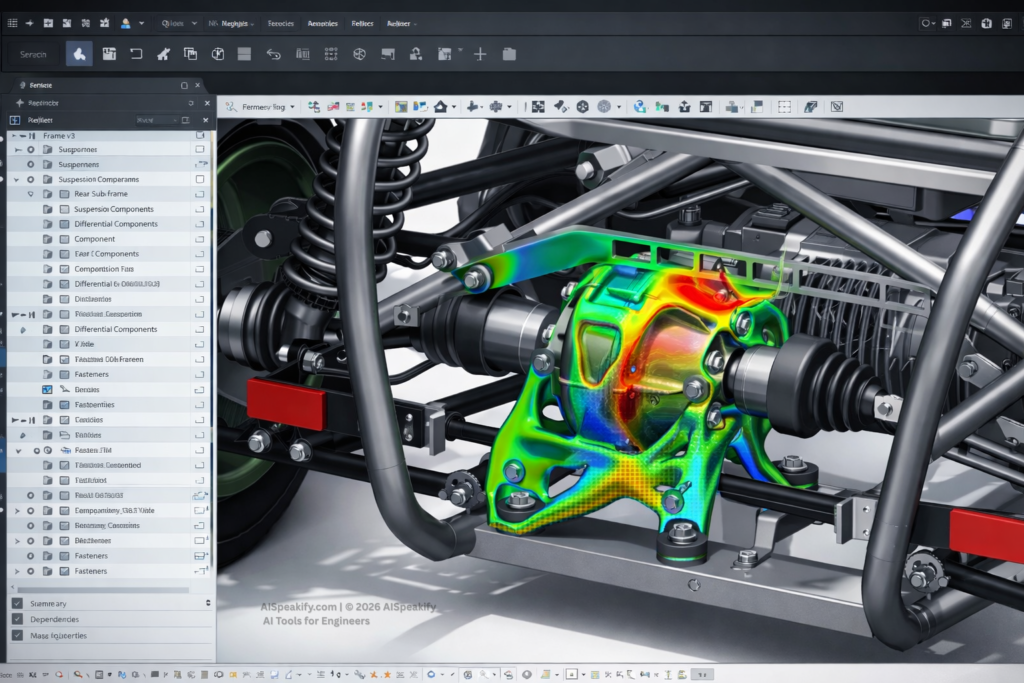
Siemens NX is a high-end, enterprise-grade CAD and generative design platform used in aerospace, automotive, heavy machinery, and advanced manufacturing industries. Its AI-assisted generative engineering and simulation-driven design capabilities allow engineers to validate performance during the design phase — reducing costly physical prototypes and accelerating time-to-market.
Built for complex assemblies and mission-critical engineering projects, NX integrates advanced modeling, topology optimization, and real-time simulation into a unified digital engineering environment.
- AI-assisted generative design with performance validation
- Integrated CAD, CAE, and CAM ecosystem
- Advanced surface and parametric modeling
- Simulation-driven design optimization
- Large assembly management and PLM integration
- Topology optimization for lightweighting
Best For: Aerospace, automotive & enterprise mechanical design
Pricing: Enterprise licensing (custom quote)
Platform: Windows
Deployment: On-premise & cloud-supported
Core Capabilities: Advanced CAD, CAE, CAM & PLM integration
PTC Creo (Advanced Parametric CAD & Generative Design)
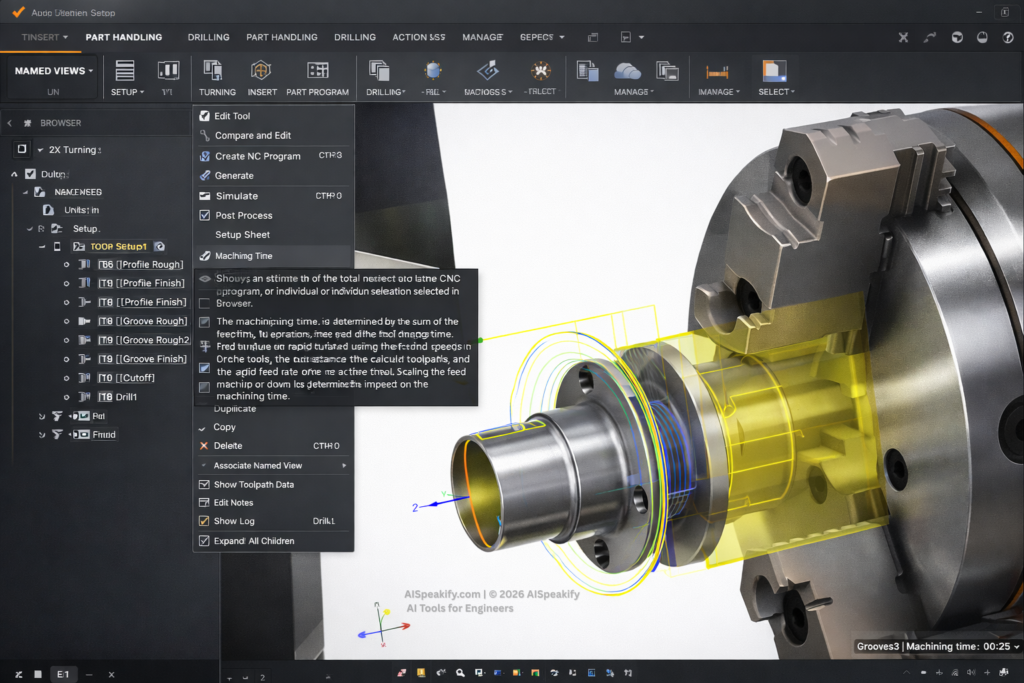
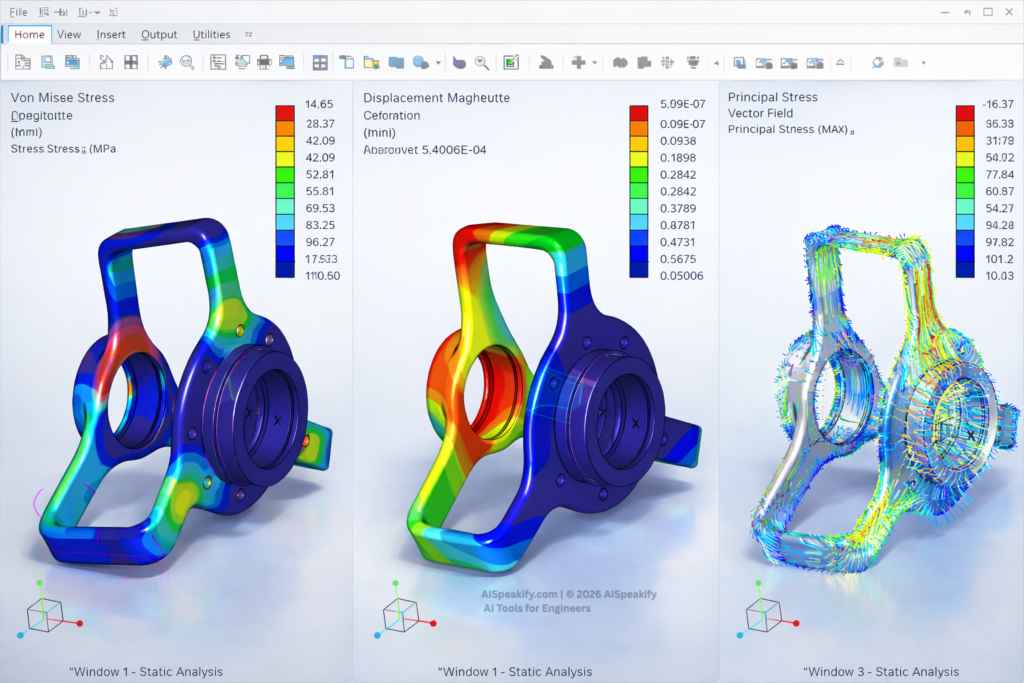
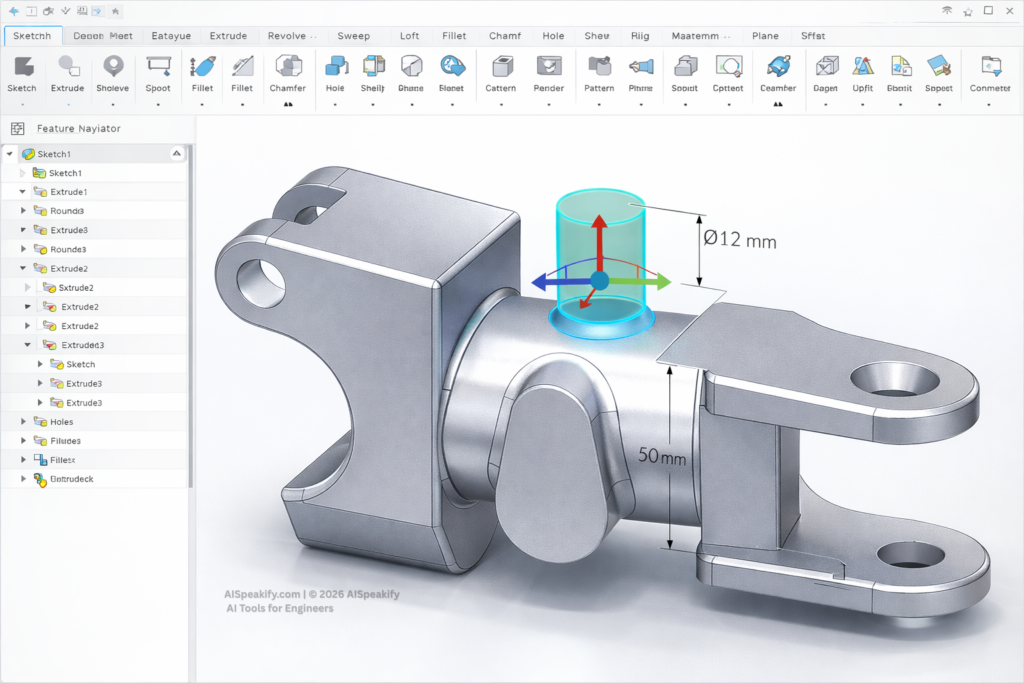
PTC Creo is a professional-grade parametric CAD platform widely used in mechanical engineering, product development, and industrial design. Its AI-enhanced generative design and simulation-driven capabilities allow engineers to optimize geometry based on structural loads, materials, and manufacturing constraints. Creo is particularly strong in precision modeling, complex assemblies, and enterprise-level product lifecycle integration.
- AI-assisted generative design with constraint-driven optimization
- Advanced parametric and direct modeling capabilities
- Integrated CAD, CAM, and CAE workflows
- Simulation-driven design validation
- Topology optimization for lightweight structures
- Seamless PLM integration with Windchill
Best For: Industrial equipment, automotive & precision mechanical design
Pricing: Enterprise licensing (custom quote)
Platform: Windows
Deployment: On-premise & cloud-supported
Integration: CAD / CAM / CAE with PLM connectivity
Dassault Systèmes CATIA (High-End Generative & Complex Surface Design)
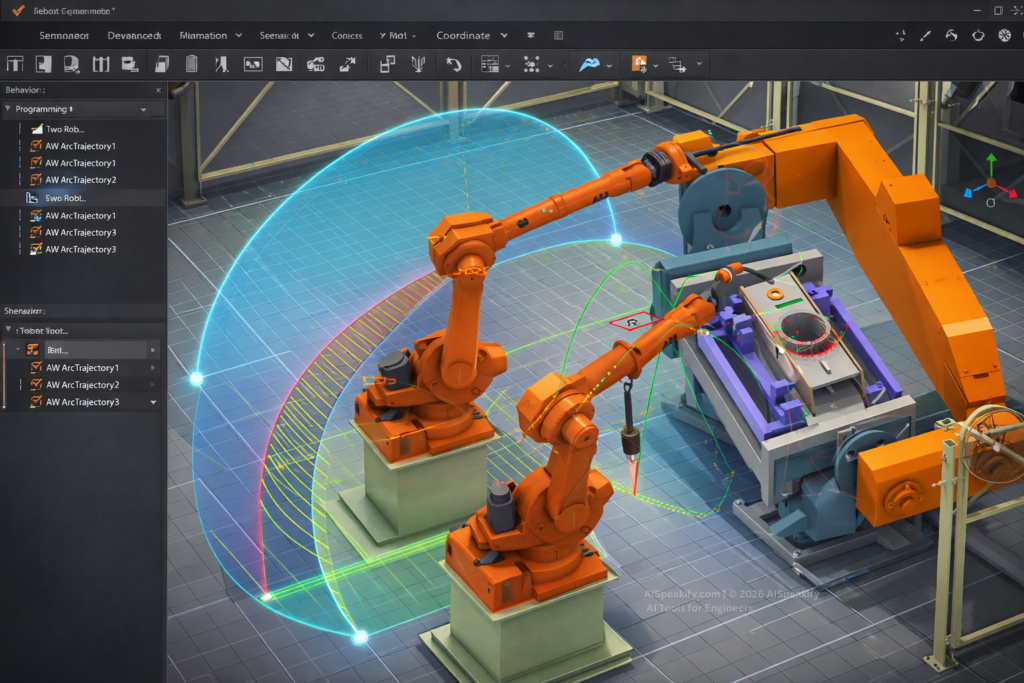
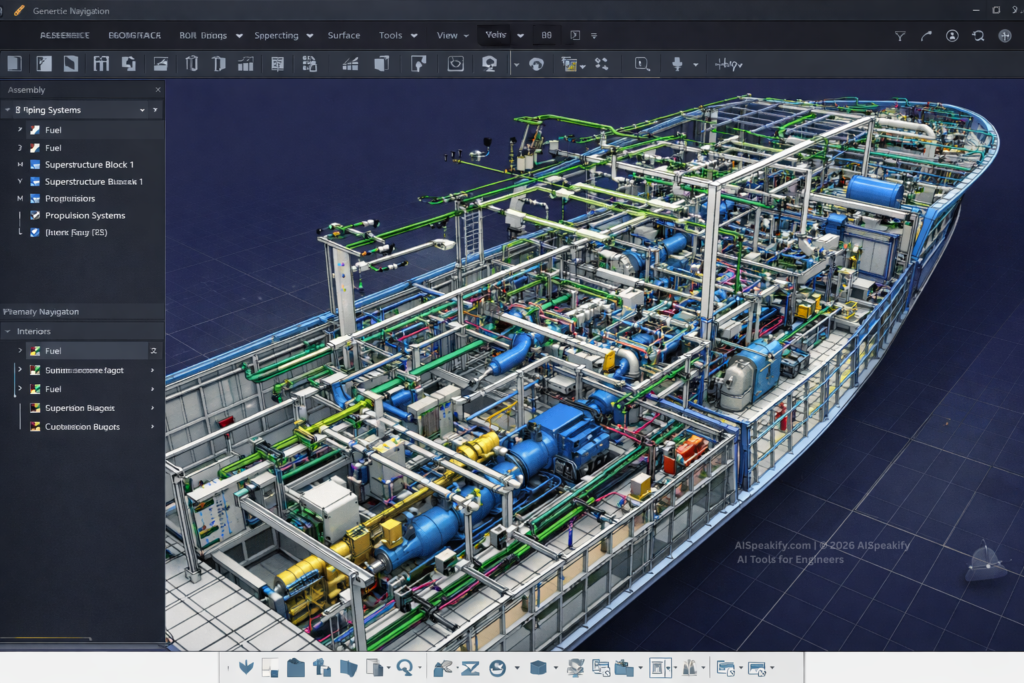
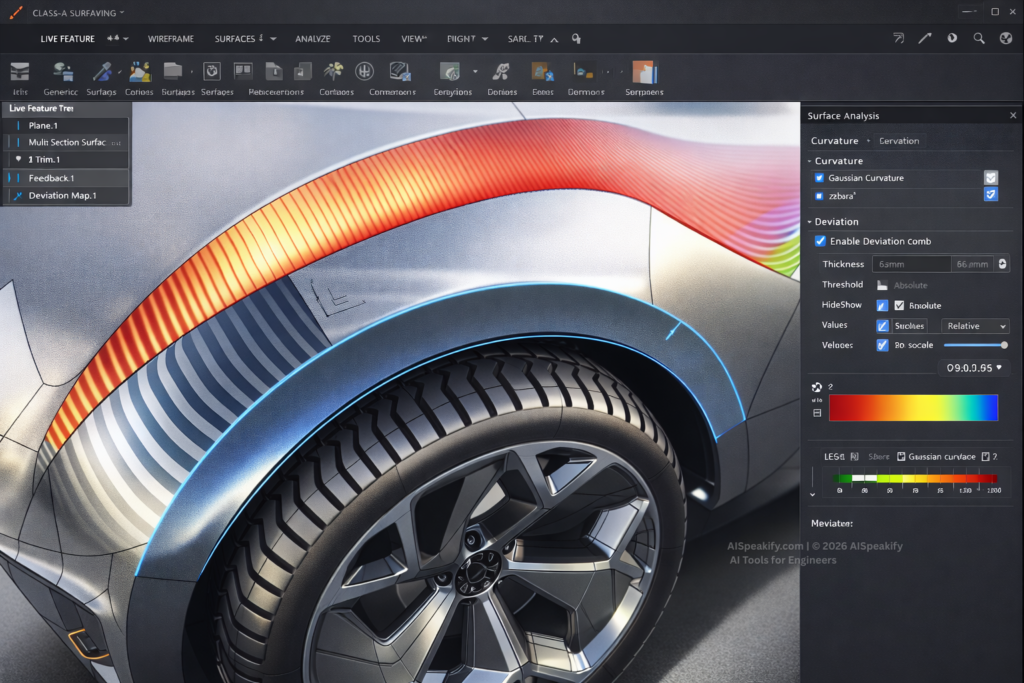
Dassault Systèmes CATIA is a premium enterprise CAD and generative engineering platform widely used in aerospace, automotive, defense, and advanced product design industries. Known for its powerful surface modeling and complex assembly capabilities, CATIA integrates AI-assisted generative design, simulation-driven validation, and manufacturing-aware optimization within a unified digital engineering environment. It is built for mission-critical mechanical systems and large-scale product development programs.
- AI-assisted generative design with performance validation
- Advanced surface and Class-A modeling capabilities
- Integrated CAD, CAM, and CAE environment
- Simulation-driven structural optimization
- Large assembly and multi-discipline system integration
- Seamless PLM integration with 3DEXPERIENCE platform
Best For: Aerospace, automotive & complex surface mechanical systems
Pricing: Enterprise licensing (custom quote)
Platform: Windows
Deployment: On-premise & cloud-supported
Integration: Advanced CAD / CAE / CAM with 3DEXPERIENCE PLM
SolidWorks (3D EXPERIENCE Generative Design)
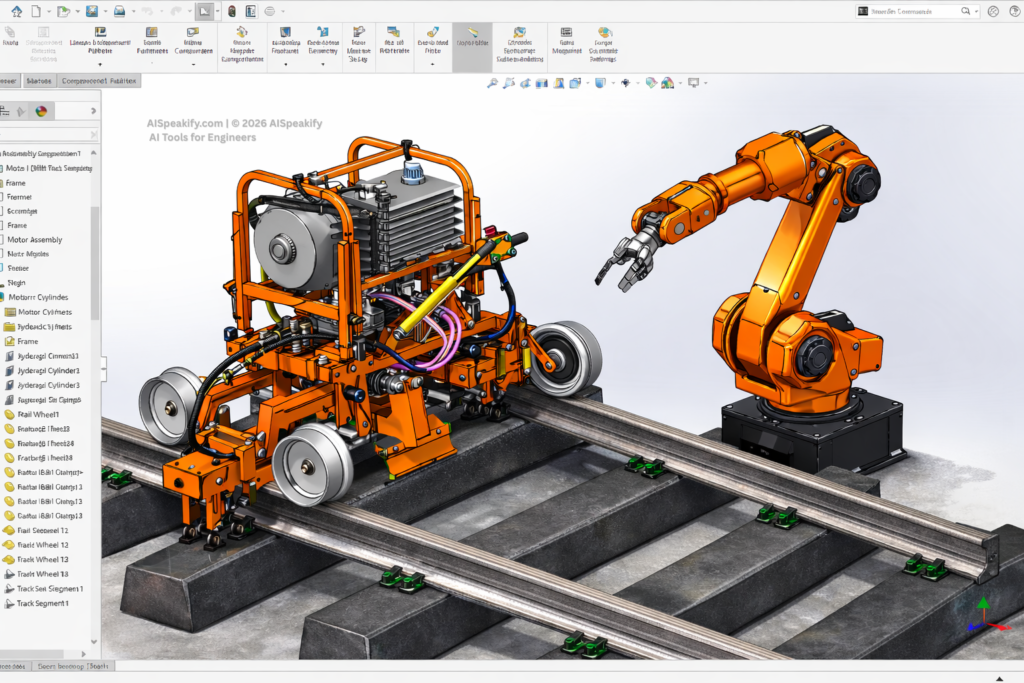
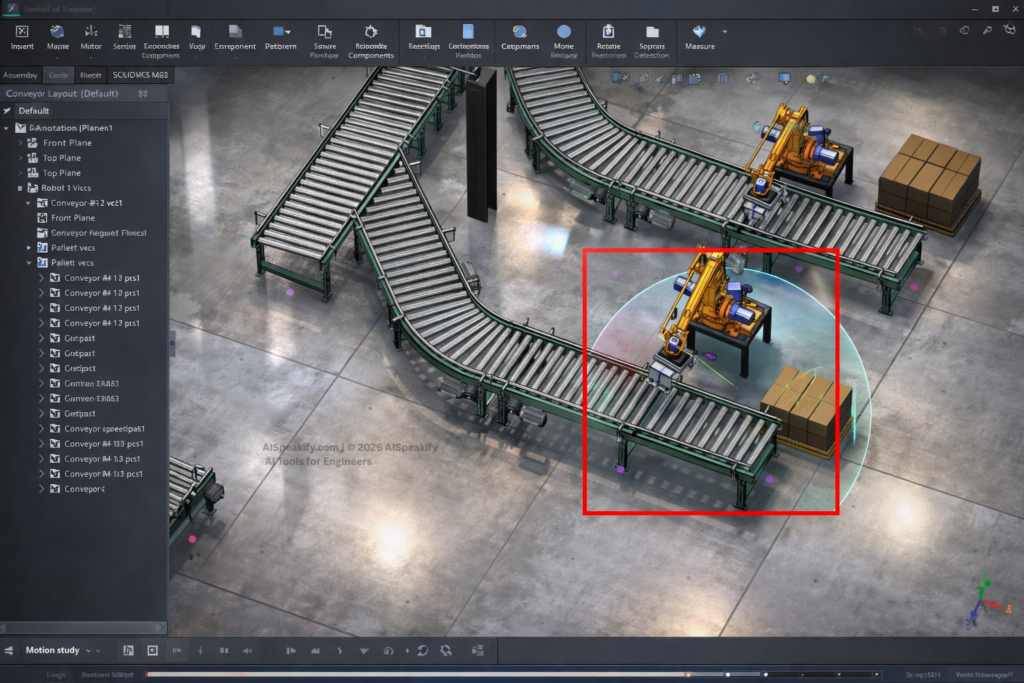
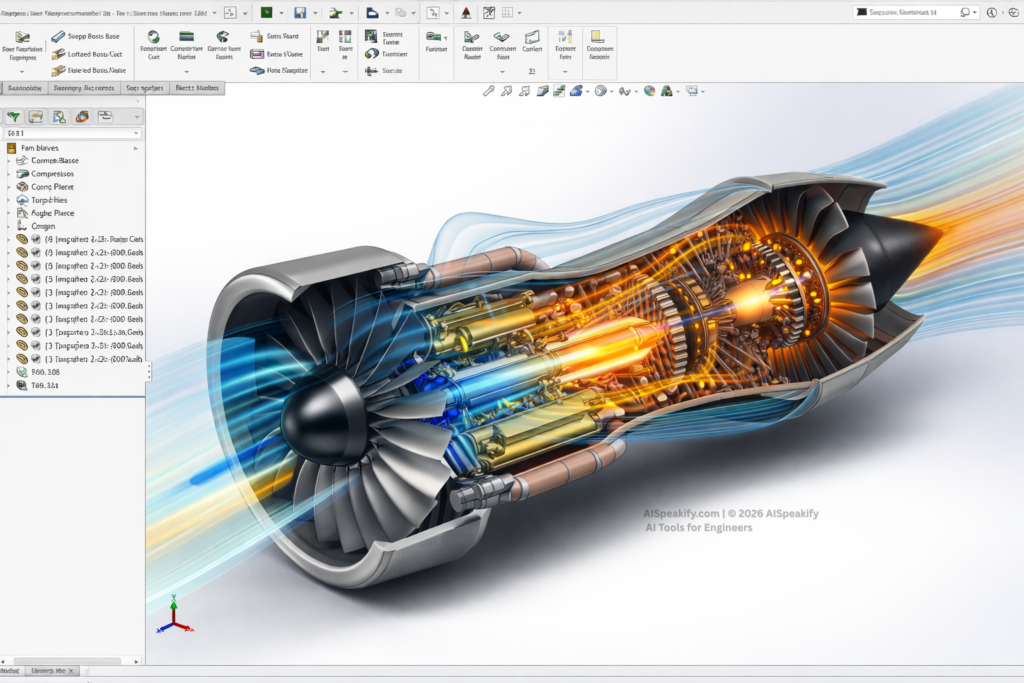
SolidWorks is one of the most widely used professional mechanical CAD platforms in the world. With its 3DEXPERIENCE and simulation-driven generative design capabilities, engineers can explore optimized geometries, validate performance early, and accelerate product development cycles.
- Integrated CAD, CAM, and simulation workflows
- Generative design within 3DEXPERIENCE platform
- Advanced parametric modeling
- Simulation-driven performance validation
- Large assembly management
- Strong manufacturing ecosystem integration
Best For: Mechanical design engineers, mid-to-large companies
Pricing: Subscription-based (varies by package)
Platform: Windows (Cloud features available)
Deployment: Desktop + Cloud collaboration
Integration: CAD, CAM, CAE, PLM ecosystem
Autodesk Inventor (Generative Design for Mechanical Engineering)
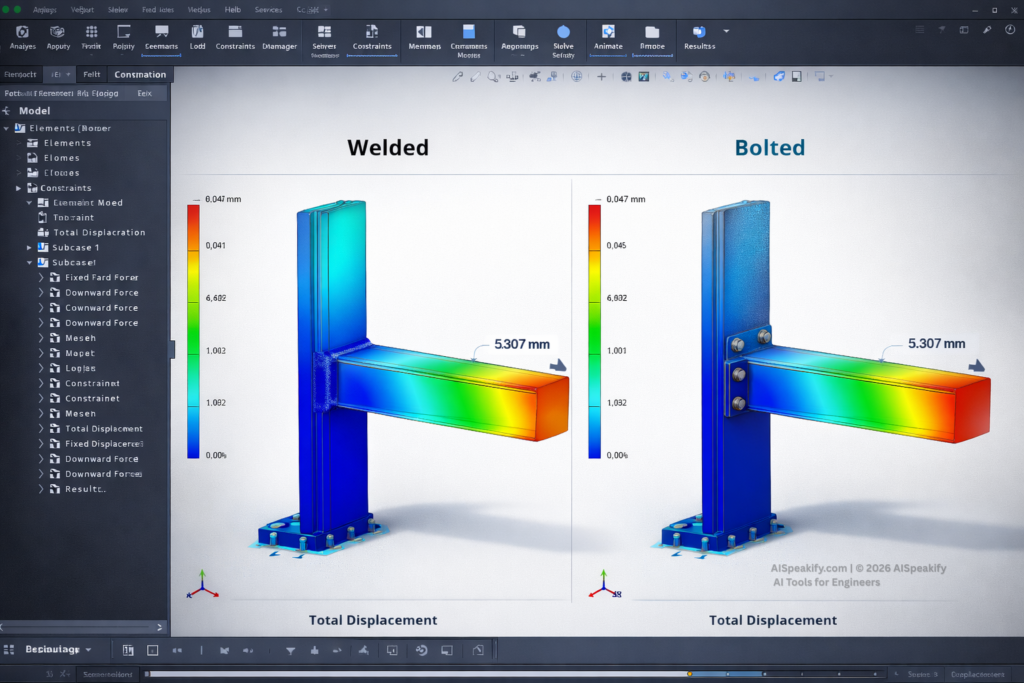
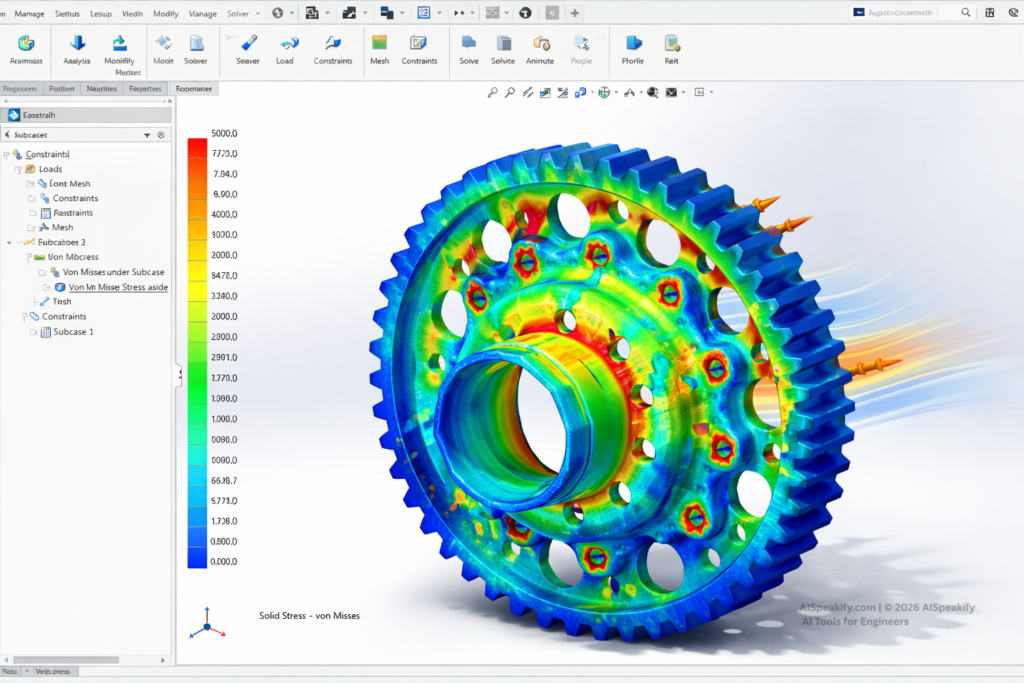
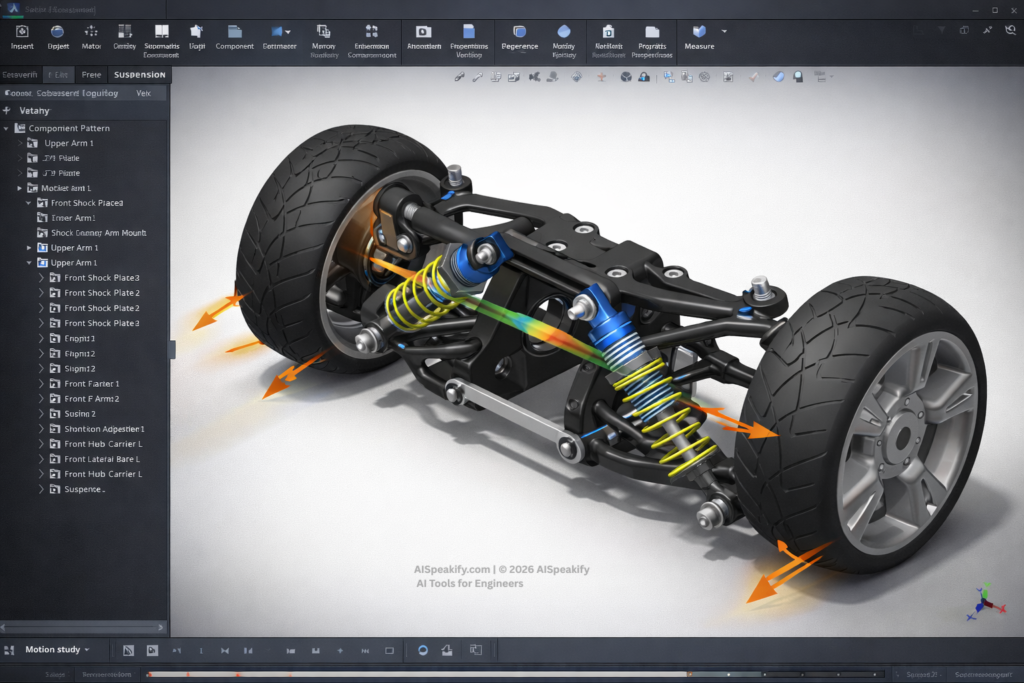
Autodesk Inventor provides professional mechanical CAD capabilities with AI-assisted generative design extensions. It enables engineers to optimize components based on load cases, materials, and manufacturing constraints within a structured parametric environment.
- AI-driven generative design extension
- Parametric mechanical modeling
- Integrated stress analysis
- Manufacturing-ready documentation
- Sheet metal and assembly tools
- Seamless Autodesk ecosystem integration
Best For: Industrial machinery & equipment design
Pricing: Subscription-based
Platform: Windows
Deployment: Desktop + Cloud collaboration
Integration: Fusion, AutoCAD, Vault, CAM
nTop (Advanced Generative & Lattice Engineering)
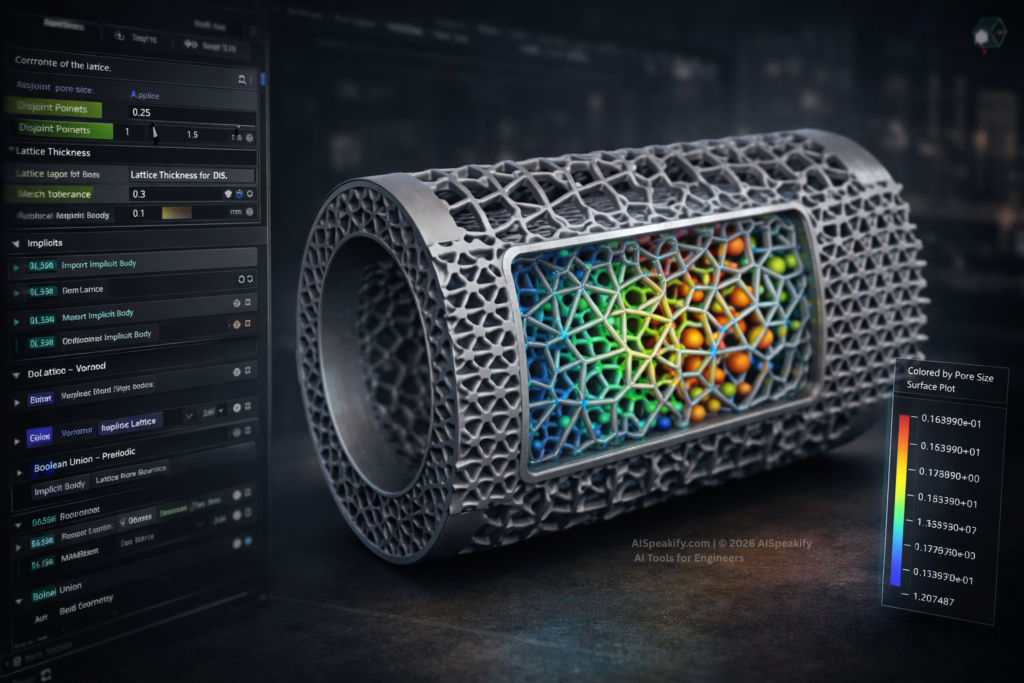
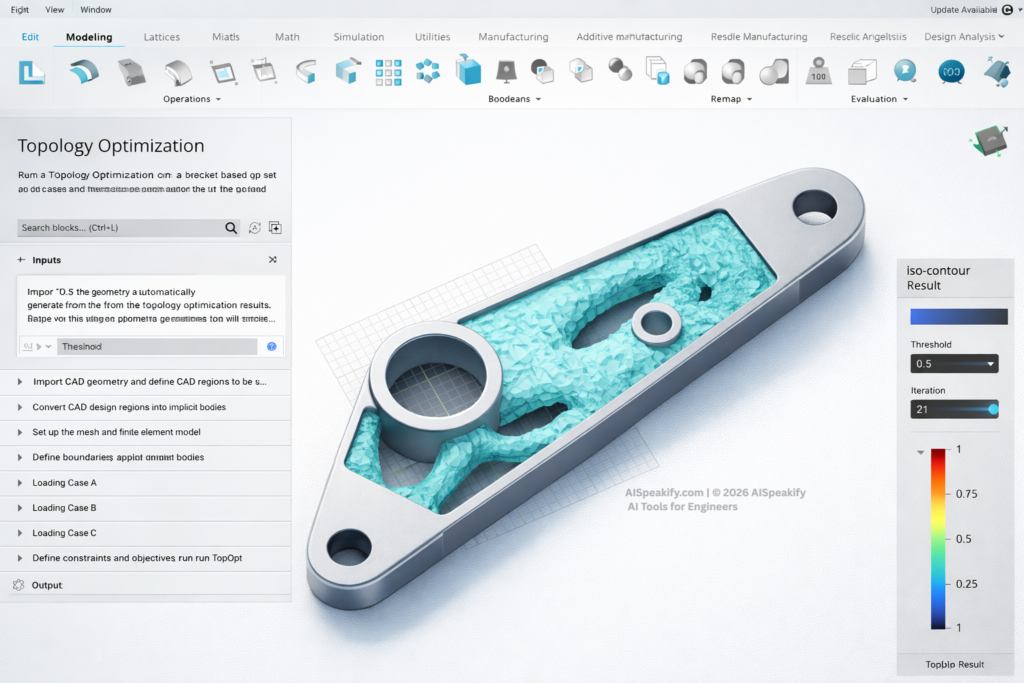
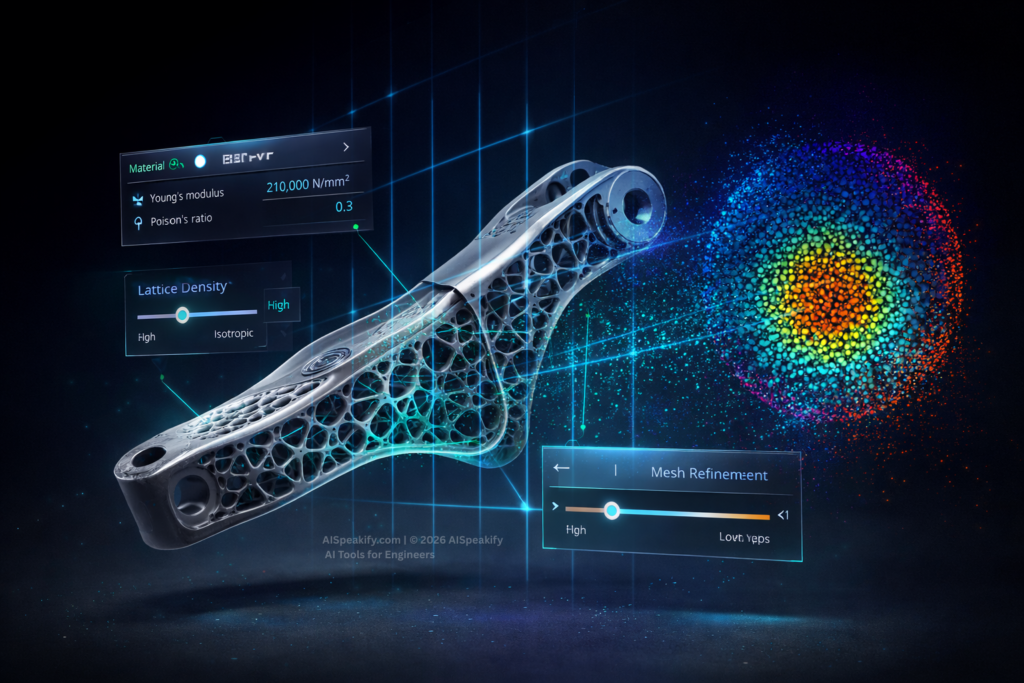
nTop is an advanced generative engineering platform built specifically for performance-driven design and additive manufacturing. It allows engineers to create complex lattice structures, topology-optimized components, and lightweight geometries that are impossible with traditional CAD systems.
- Advanced topology optimization
- Lattice structure generation
- Additive manufacturing design workflows
- Field-driven parametric modeling
- Performance-based geometry control
- Aerospace-grade design capabilities
Best For: Aerospace, additive manufacturing & advanced R&D
Pricing: Enterprise licensing
Platform: Windows
Deployment: Desktop
Integration: CAD, simulation & additive manufacturing tools
Altair Inspire (Simulation-Driven Generative Design)
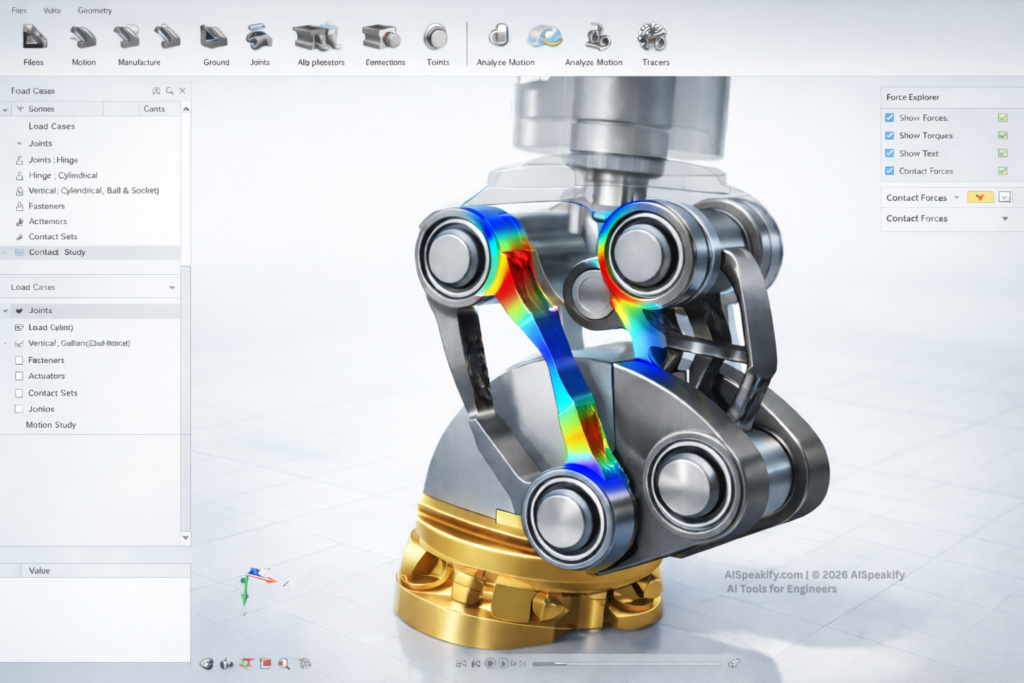
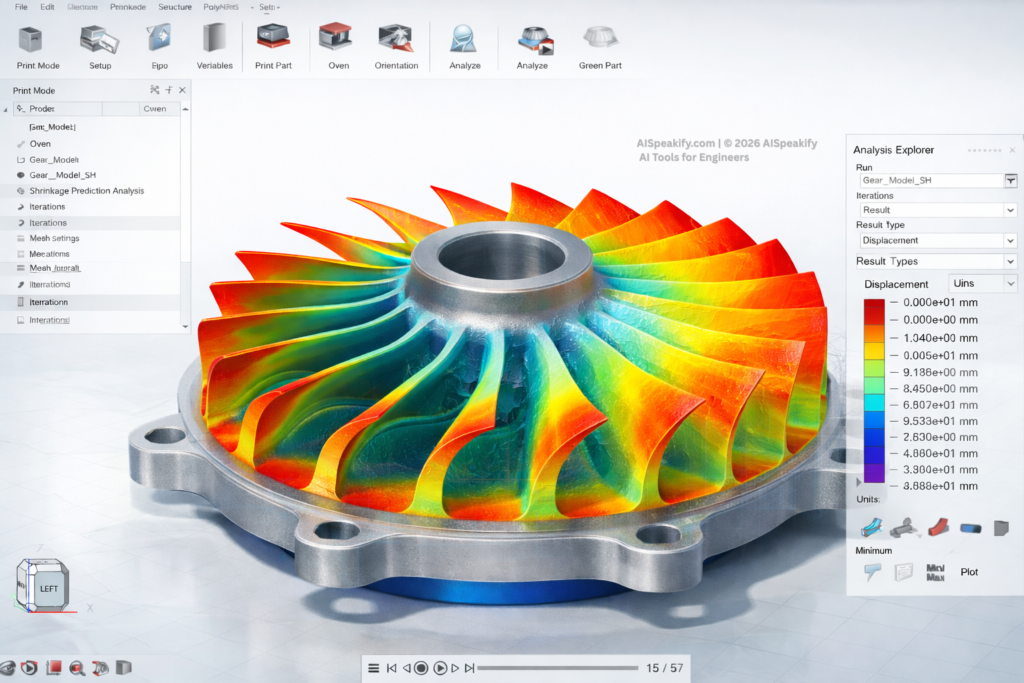
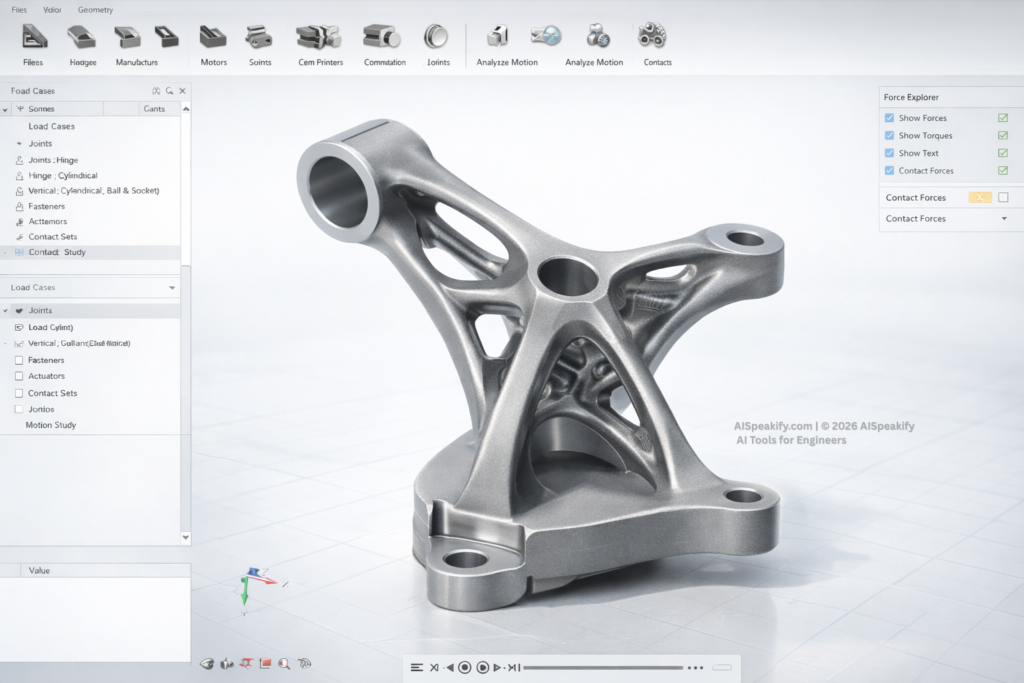
Altair Inspire combines generative design and simulation into a single design environment. Engineers can optimize parts for strength, weight, and manufacturability early in the development cycle, reducing costly iterations and physical prototypes.
- AI-assisted topology optimization
- Real-time simulation validation
- Lightweight structure optimization
- Design for manufacturability tools
- Early-stage performance validation
- Integrated simulation workflows
Best For: Structural optimization & lightweight engineering
Pricing: Commercial licensing
Platform: Windows
Deployment: Desktop
Integration: Altair simulation ecosystem
Ansys Discovery (Real-Time Simulation & Design Exploration)
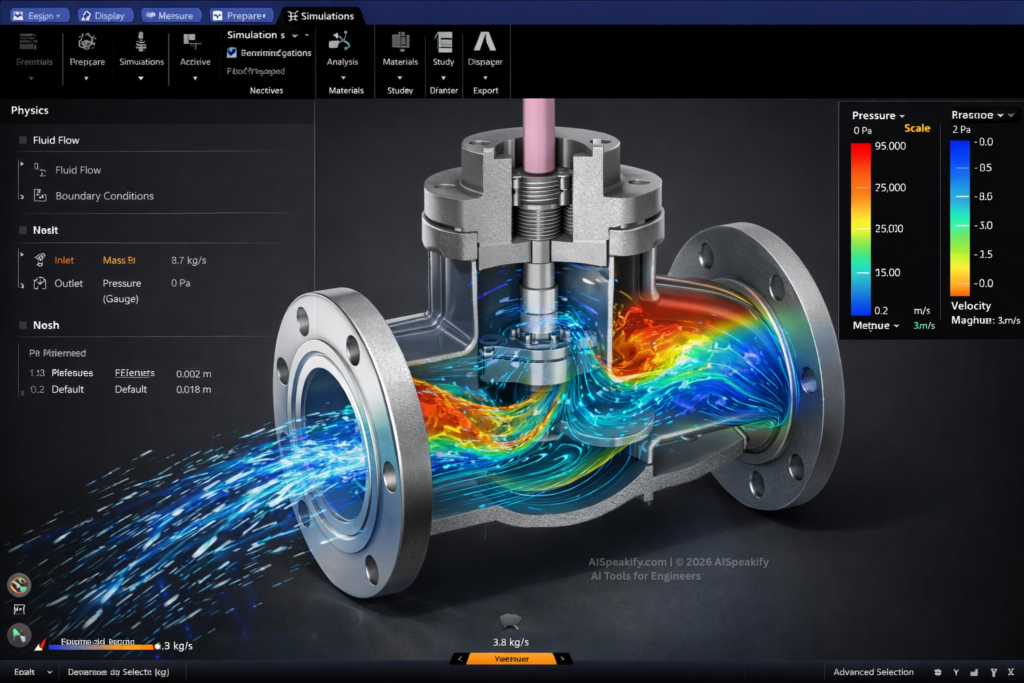
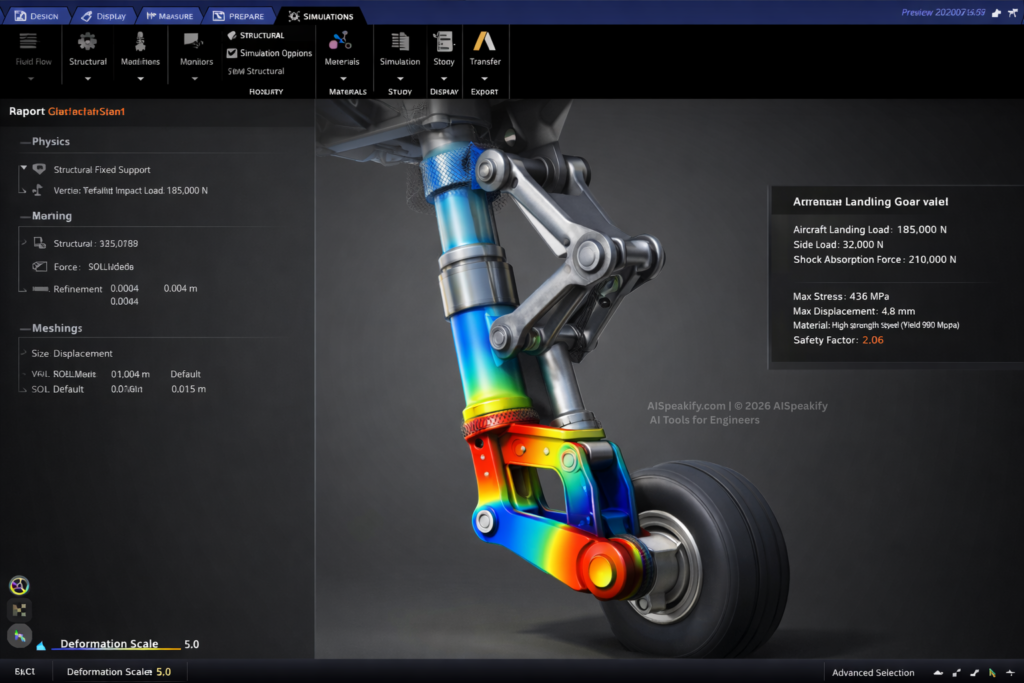
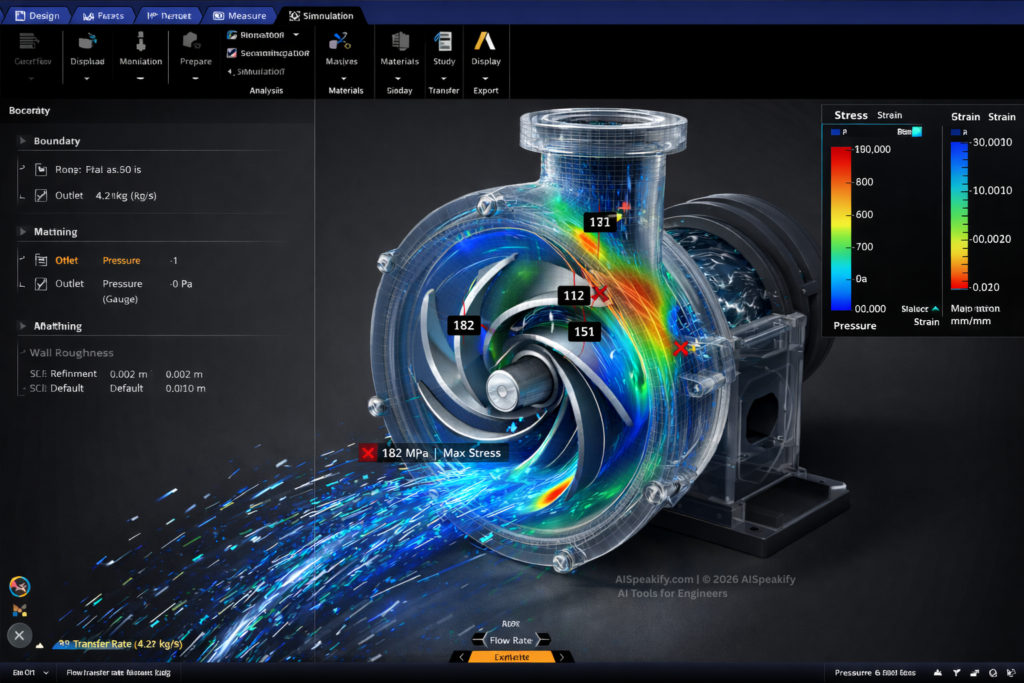
Ansys Discovery enables engineers to perform real-time simulation and AI-driven design exploration directly during the modeling phase. It allows rapid iteration, structural analysis, thermal validation, and performance optimization before moving into full-scale simulation.
- Real-time structural and thermal simulation
- AI-assisted design exploration
- Instant performance feedback
- Geometry-driven simulation
- Lightweighting and optimization tools
- Integration with Ansys simulation suite
Best For: Engineers needing rapid simulation-driven validation
Pricing: Commercial licensing
Platform: Windows
Deployment: Desktop
Integration: Full Ansys CAE ecosystem
CAD & Generative Design AI Tools — Expert Evaluation & Scoring
The evaluation below follows a structured, weighted assessment model specifically designed for modern mechanical engineering environments. Platforms are analyzed across AI generative strength, simulation-driven validation depth, enterprise scalability, deployment architecture, and manufacturing integration maturity. This approach ensures an objective comparison aligned with real-world engineering performance requirements.
| Tool | AI Generative Power | Simulation Depth | Enterprise Scalability | Ease of Use | Cloud Capability | Manufacturing Readiness | Overall Expert Score |
|---|---|---|---|---|---|---|---|
| Fusion 360 | ★★★★☆ | ★★★☆☆ | ★★★☆☆ | ★★★★☆ | ★★★★★ | ★★★★☆ | 4.0 / 5 |
| Siemens NX | ★★★★★ | ★★★★★ | ★★★★★ | ★★★☆☆ | ★★★☆☆ | ★★★★★ | 4.8 / 5 |
| PTC Creo | ★★★★☆ | ★★★★☆ | ★★★★☆ | ★★★☆☆ | ★★★☆☆ | ★★★★☆ | 4.3 / 5 |
| CATIA | ★★★★★ | ★★★☆☆ | ★★★★★ | ★★☆☆☆ | ★★☆☆☆ | ★★★★★ | 4.7 / 5 |
| SolidWorks | ★★★☆☆ | ★★★☆☆ | ★★★☆☆ | ★★★★★ | ★★★☆☆ | ★★★★☆ | 3.8 / 5 |
| nTop | ★★★★★ | ★★★★☆ | ★★★☆☆ | ★★★☆☆ | ★★★☆☆ | ★★★★★ | 4.4 / 5 |
Scoring Methodology & Weighted Evaluation Model
The overall expert score is calculated using a weighted evaluation framework designed specifically for mechanical engineering and generative design workflows. Each tool is assessed across critical performance categories, with weighted importance assigned based on real-world engineering impact.
Evaluation Criteria & Weights
- AI Generative Power — 25%
- Simulation Depth — 20%
- Enterprise Scalability — 15%
- Manufacturing Readiness — 15%
- Cloud & Deployment Flexibility — 15%
- Ease of Use — 10%
Overall Score =
(AI Generative Power × 0.25) +
(Simulation Depth × 0.20) +
(Enterprise Scalability × 0.15) +
(Manufacturing Readiness × 0.15) +
(Deployment Flexibility × 0.15) +
(Ease of Use × 0.10)
Greater weight is assigned to generative AI capability and simulation integration, as these factors most directly influence design optimization, performance validation, and engineering efficiency in modern mechanical workflows.
Scores are based on publicly available technical documentation, product capabilities, deployment models, and industry adoption patterns as of 2026. Evaluations are editorial and independent.
Which CAD & Generative AI Tool Should You Choose?
Selecting the right generative design and CAD platform depends heavily on organizational scale, engineering complexity, integration requirements, and long-term digital strategy. Below is a structured recommendation guide based on typical professional use cases.
AI Engineering Tool Selection — Interactive Decision Guide
Answer the following questions to determine which AI-driven CAD and generative design platform best aligns with your engineering workflow, organizational scale, and manufacturing strategy.
What is the scale of your engineering organization?
Startup / Small Engineering Team
You prioritize speed, integrated workflows, and cost-efficiency.
Cloud collaboration and rapid iteration matter most.
Recommended Direction:
Fusion 360
Why: Balanced generative capability + accessible pricing + integrated CAD/CAM/CAE.
Mid-Sized Industrial Manufacturer
You require scalability, structured workflows, and integration into production environments.
Recommended Direction:
PTC Creo or SolidWorks
Why: Strong parametric modeling with enterprise growth flexibility.
Enterprise / Aerospace / Automotive Environment
Large assemblies, multi-team collaboration, compliance, and digital twin validation are critical.
Recommended Direction:
Siemens NX or CATIA
Why: Deep simulation integration + PLM ecosystem + enterprise scalability.
Is advanced simulation-driven validation critical in your design phase?
Yes — High-Fidelity Multi-Physics Required
You validate performance digitally before prototyping.
Best Match:
Siemens NX
CATIA
Moderate Simulation Integration Needed
You need validation, but not full enterprise digital twin complexity.
Best Match:
PTC Creo
Fusion 360
Minimal Simulation — Design-Focused Workflow
Your priority is modeling efficiency and usability.
Best Match:
SolidWorks
Are you focused on additive manufacturing and topology optimization?
Yes — Additive / Lattice / Lightweight Optimization
Best Match:
nTop
Fusion 360 (Generative module)
No — Traditional Mechanical Assembly
Best Match:
Siemens NX
PTC Creo
SolidWorks
What is your primary design objective?
Rapid Concept Development & Iteration
You prioritize speed, flexibility, and iterative design exploration.
Recommended Direction: Fusion 360
High-Precision Parametric Control
You require strict dimensional control and structured modeling workflows.
Recommended Direction: PTC Creo or SolidWorks
Performance-Driven Structural Optimization
You focus on weight reduction, load efficiency, and simulation validation.
Recommended Direction: Siemens NX, CATIA, or nTop
Do you require deep PLM integration?
No — CAD-focused workflow
Standalone CAD with limited lifecycle integration.
Best Match: Fusion 360, SolidWorks
Yes — Full Product Lifecycle Integration
Traceability, compliance, version control, digital thread required.
Best Match: Siemens NX, CATIA, PTC Creo